
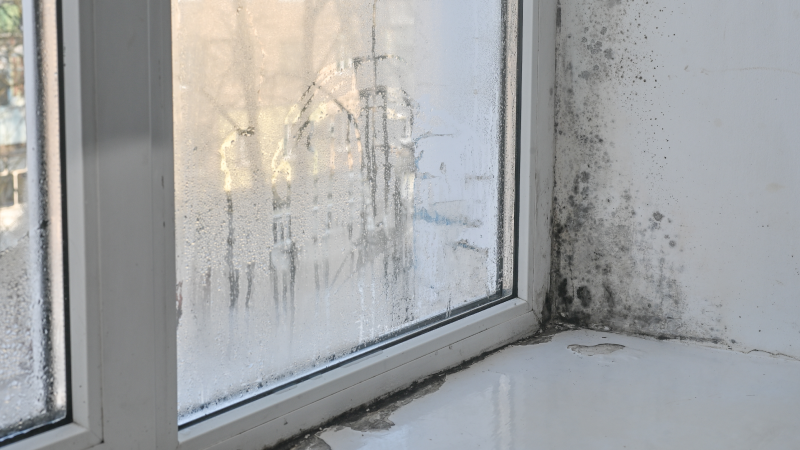
Stains on walls, heavy air and unhealthy indoor spaces: excess humidity is not just an aesthetic issue, it can affect living comfort and long-term health.
The good news is that it can be tackled with targeted measures and effective solutions. In this guide, we’ll look at how to eliminate humidity at home and why the heating system also plays a key role.
Why does humidity form indoors?
Indoor humidity is often the result of a combination of factors related both to the building itself and to everyday habits. The most common causes include:
- Condensation. Occurs when warm, humid air comes into contact with cold surfaces such as walls and windows, especially where ventilation is insufficient.
- Household activities. Showers, cooking and drying laundry indoors produce large amounts of water vapour.
- Rising damp. Typical of older buildings, where ground moisture rises through walls by capillary action.
- Water infiltration. Caused by cracks, damaged roofing or poorly insulated systems.
- Thermal bridges and insufficient insulation. Colder areas of the building that encourage condensation.
- Building materials that are not yet dry. Common after renovation work or in new builds.
8 tips to eliminate humidity at home
Use heating intelligently
To prevent mould and condensation, the ideal indoor temperature should be kept between 19 and 20°C, with relative humidity between 45% and 55%.
Modern and smart heating systems allow constant monitoring of temperature and humidity through smart thermostats and dedicated apps. Smart thermostatic valves also help regulate heat room by room, avoiding temperature fluctuations that encourage condensation.
Ventilate rooms regularly
If you do not have a controlled mechanical ventilation system, opening the windows every day, even for just a few minutes, helps circulate the air and reduces the buildup of moisture.
Use the extractor hood when cooking
The kitchen is one of the main sources of humidity. Always using the extractor hood while cooking helps remove steam before it spreads to other rooms.
Avoid drying laundry indoors
Drying clothes inside releases large amounts of moisture into the air. If outdoor drying is not possible, it is advisable to use well-ventilated rooms or a tumble dryer.
Use the air conditioner in dehumidifier mode
Many air conditioning systems include a dehumidification function, which is particularly useful during mid-season periods or in summer. This mode reduces humidity without excessively cooling the rooms.
Use controlled mechanical ventilation
Mechanical ventilation is an effective solution for managing humidity. It ensures a constant and continuous exchange of air, controls the level of water vapor, and helps prevent condensation and mold, especially in well-insulated homes.
Limit the number of indoor plants
Plants release moisture through transpiration. Too many plants, especially in small or poorly ventilated spaces, can significantly increase indoor humidity levels.
Use a humidity sensor
Knowing when humidity exceeds optimal levels makes it possible to act promptly through ventilation, heating or dehumidification.
What are the consequences of excess humidity at home?
Excessive humidity levels in indoor environments can have significant effects both on people’s health and on the condition of the building itself:
- Mould growth. Humidity encourages the formation of mould on walls, ceilings and poorly ventilated corners, leading over time to aesthetic damage and potential structural issues.
- Health problems. Humid environments promote the proliferation of dust mites, mould and microorganisms, which can cause allergies, irritation and respiratory problems, especially in more sensitive individuals.
- Deterioration of belongings. Books, clothes, furniture and fabrics can deteriorate more quickly. Electronic devices such as computers, smartphones and small appliances are also affected by humidity, with possible malfunctions or reduced lifespan.
- Reduced living comfort. Humid air feels heavier and less healthy, making living spaces less comfortable on a day-to-day basis.
Eliminating humidity at home: the definitive solution
Although natural ventilation through open windows theoretically allows for air exchange, this occurs in an uncontrolled manner, potentially allowing external pollutants to enter and causing significant heat loss.
In new buildings, which are increasingly airtight and have less “breathability,” irregular air exchange can lead to the accumulation of moisture at unhealthy levels, increasing the risk of condensation and mold.
Controlled mechanical ventilation overcomes the limitations of manual ventilation by ensuring continuous, regulated air exchange, filtering incoming pollutants, and minimizing heat loss.
The main benefits of mechanical ventilation are:
- Maintaining a constant and controlled humidity level, preventing condensation on walls and window frames.
- Improving air quality by filtering out dust, allergens, and odors.
- Ventilation with windows closed, which is particularly useful in noisy environments and polluted areas.
Depending on your needs, you can choose between centralized controlled mechanical ventilation systems or localized solutions, which are also suitable for renovation projects. Learn more about the features of the various IRSAP solutions and identify the system best suited to your living situation.
And remember: if you have localized issues on the walls, you can combine ventilation with targeted measures such as using breathable paints, to be applied after removing mold, or thermal insulation paints, which help reduce the temperature difference between the air and surfaces and limit condensation buildup.


